Italian poplar is today one of the most strategic raw materials for the wood-based panel industry intended for high value-added technical productions. Its combination of lightness, workability, and structural stability makes it particularly suitable for sectors where every design detail affects the final performance of the product.
In the contemporary industrial landscape, characterized by increasing attention to weight reduction, energy optimization, and supply chain sustainability, Italian poplar plywood represents a concrete and high-performing solution.
It is not simply a traditional material, but an advanced resource that, thanks to industrialized production processes, integrates perfectly with the needs of camper and caravan, marine, and technical furniture sectors.
Choosing Italian poplar means adopting a material that combines production efficiency and manufacturing identity.
What Italian poplar is and why it is so in demand
Italian poplar is a lightweight species grown through planned cultivation, used for the production of industrial plywood intended for lightweight and structural applications.
It mainly comes from certified supply chains in Northern Italy, with controlled cultivation cycles that ensure constant availability, consistent quality, and traceability.
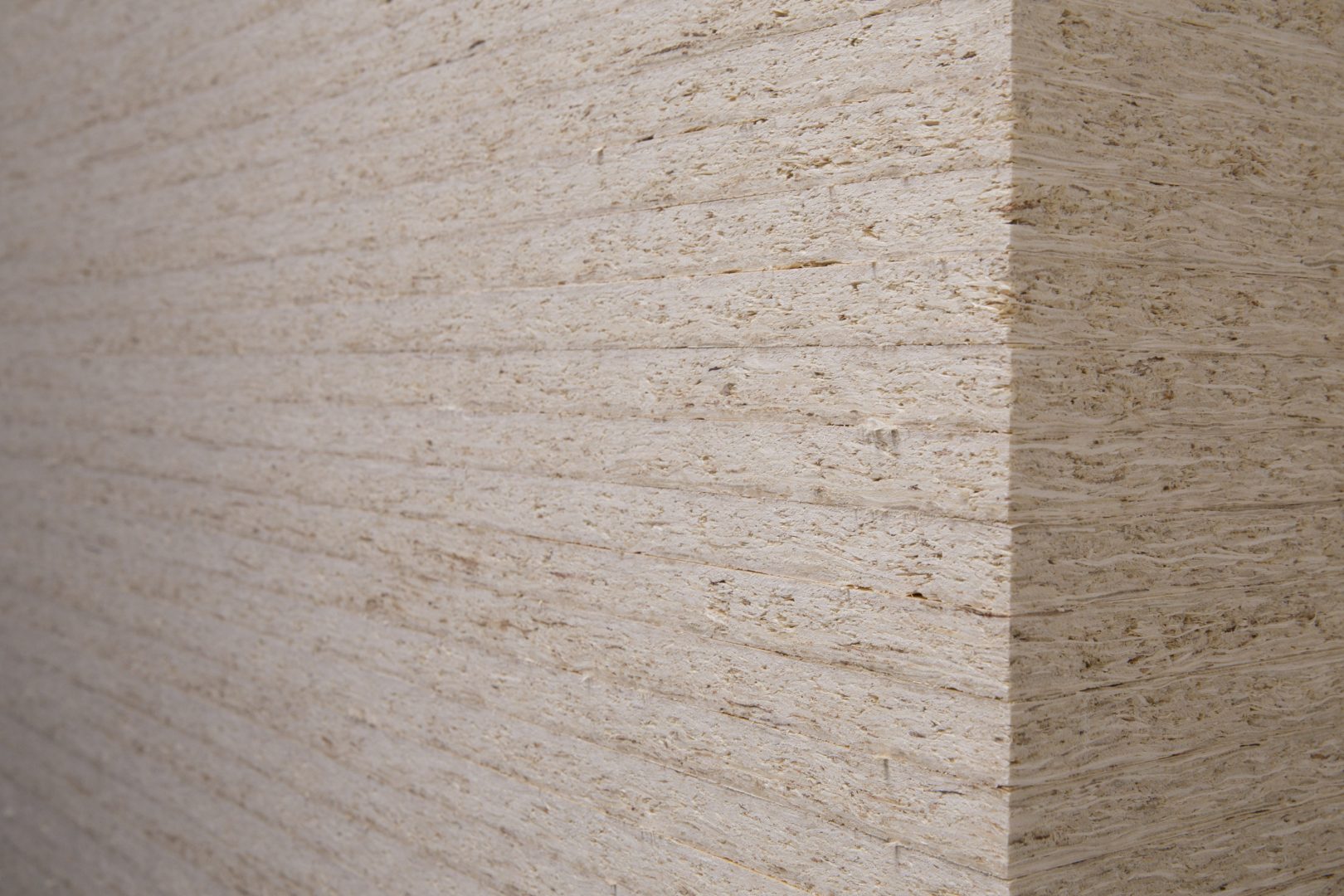
From a technical point of view, it stands out for its low density, which allows the production of lightweight yet reliable panels. Its homogeneous fiber facilitates cutting, milling, veneering, and surface finishing.
The dimensional stability of plywood made from cross-layered wood veneers allows tight tolerances to be maintained even on large formats, a particularly relevant feature in automated industrial processes.
The technical advantages of poplar plywood
What is the main advantage of poplar plywood?
Its balance between lightness and structural strength, which allows the weight of components to be reduced without compromising mechanical stability.
Italian poplar plywood is in fact appreciated for its balance between mechanical performance and weight reduction. In sectors such as RV, reducing the weight of each individual component means improving overall vehicle efficiency, optimizing consumption, and increasing payload capacity.
The low density of poplar makes it possible to design lightweight panels while maintaining good structural rigidity. The cross-layered construction of the veneers ensures stability and predictable behavior over time, even in the presence of thermo-hygrometric variations.
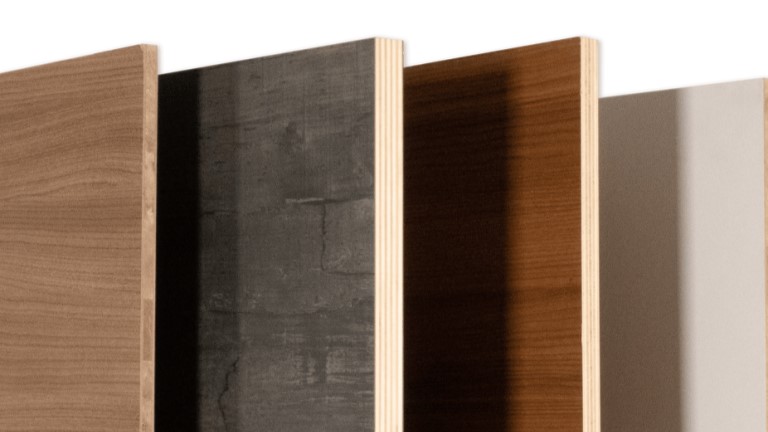
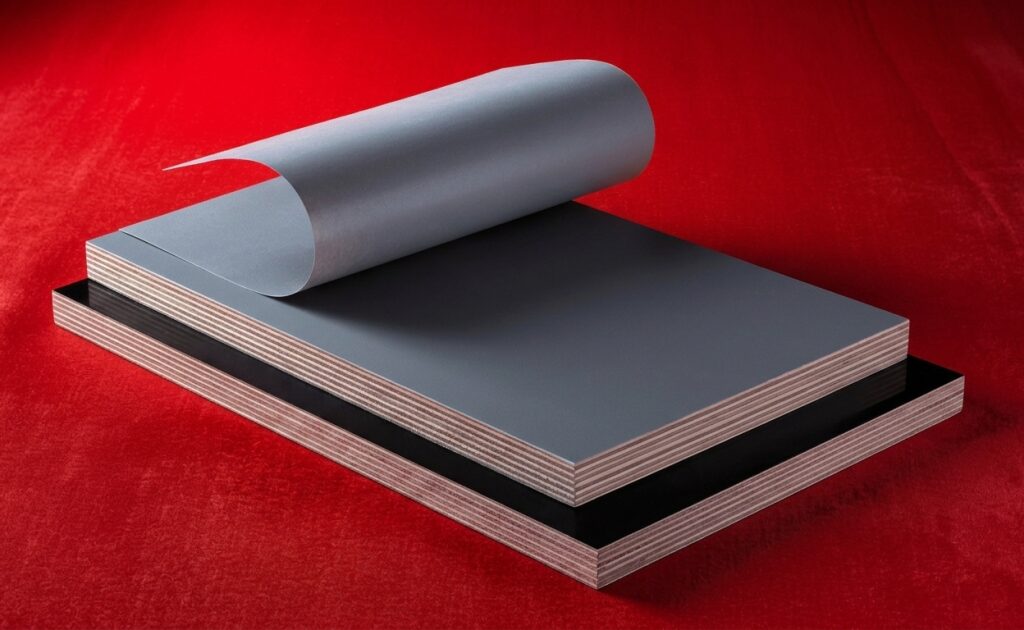
Another key element is compatibility with different coatings: HPL laminates, melamine papers, technical or decorative finishes all find a stable and uniform base in poplar.
The poplar core is perfectly suited for the production of industrial laminated panels, such as those developed by Filippi 1971. This integration makes it possible to obtain lightweight yet aesthetically advanced components, ready for direct integration into production cycles.
From an industrial perspective, the material’s precision enables accurate CNC machining, fast assembly, and integration into automated production lines. Poplar is therefore not only lightweight: it is a design-efficient material.
Poplar plywood for the camper and caravan industry: structural lightness and weight optimization
Why is poplar so widely used in campers?
Because it allows overall weight reduction while maintaining structural stability.
In the camper and caravan sector, weight control is a primary design parameter. Every kilogram affects vehicle performance, consumption, and the overall structural balance.
Within the Camper and Caravan division of Filippi 1971, Italian poplar plywood is used to produce structural frame (carcasses), interior panels, cabinet doors, curved components, and complete furniture kits.
Its lightness helps keep the total vehicle weight within optimal limits, while its good mechanical strength ensures stability during road use.
The combination with lightweight sandwich panels further optimizes the balance between weight and performance.
Moreover, its ease of processing makes it possible to develop custom elements tailored to the specific needs of different recreational vehicle models. In a highly competitive market, the choice of material directly affects perceived quality and the durability of the final product.
Poplar plywood solutions for marine and high-performance technical furniture
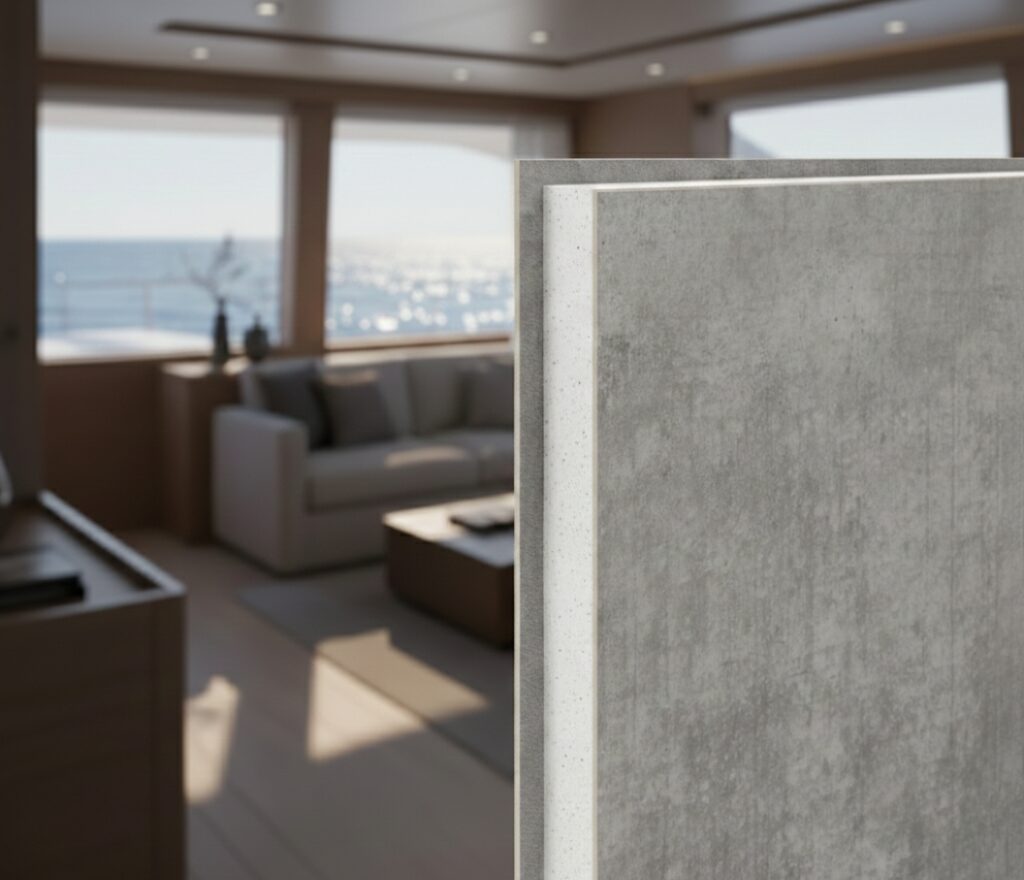
In the marine sector as well, the balance between weight and strength is a decisive factor. In particular, in the nautical and naval sector, poplar plywood panels are used for structures, furniture elements, lightweight components, and supports for technical coatings.
The layered structure helps ensure good dimensional stability in environments with variable humidity, especially when combined with appropriate treatments and coatings.
In furniture and contract applications, poplar is chosen as a technical substrate for high-performance decorative surfaces, thanks to its ability to provide flatness and lightness even in large sizes.
The combination of aesthetics and functionality is central in projects intended for high-end residential spaces, contract environments, or custom installations. Poplar plywood integrates perfectly into advanced production systems, where precision and customization are essential requirements.
Italian poplar and industrial sustainability
Sustainability is now a structural parameter in material selection. The cultivation of poplar in Italy is based on planned and controlled cycles that enable responsible use of resources, with agronomic management that combines productivity and land protection.
Its relatively fast growth compared to other species helps reduce pressure on natural forests and ensures a supply chain that can be planned over time.
As also highlighted by studies and analyses on Italian poplar cultivation published by CREA – Council for Agricultural Research and Agricultural Economics Analysis, poplar represents one of the most important woody crops for the national panel industry.
In addition, the proximity of cultivation areas to production hubs helps reduce transport distances, with positive effects in terms of emissions and logistics control. Integrating Italian poplar plywood into an industrial project means enhancing European supply chains, strengthening traceability, and consolidating a production model aligned with market needs.
In this context, sustainability is not a decorative element but a concrete driver of competitiveness.
The added value of a specialized industrial partner
In the B2B market, raw material is only the starting point. What truly makes the difference is the ability to transform poplar plywood into an integrated technical solution.
A specialized industrial manufacturer such as Filippi 1971 can offer custom development, high-precision CNC machining, in-house veneering, quality control throughout the entire production cycle, and serial production with consistent standards.
The synergy between technical expertise and industrial capacity allows this major company to fully enhance the characteristics of Italian poplar, transforming it into components ready for integration into complex projects.
In sectors where reliability, customization, and production continuity are essential, working with a structured partner means reducing margins of error and ensuring consistency over time.
Ultimately, Italian poplar expresses its full potential when integrated into an advanced production system capable of combining manufacturing tradition and technological innovation.
FAQ – Italian Poplar
Is Italian poplar suitable for structural applications?
Yes, if used in plywood form and properly dimensioned, it can be employed for lightweight structural elements.
Why is poplar used in campers?
Because of its lightness, which allows overall vehicle weight reduction while maintaining stability and strength.
Is poplar plywood sustainable?
Yes, especially when sourced from controlled Italian or European supply chains with responsible forest management.