Viaggiare in camper o roulotte significa passare molte ore in spazi ridotti e, per chi si occupa di allestimento interno, questa è una vera e propria sfida. In questo caso ogni dettaglio ha un peso, ogni chilogrammo incide sui consumi, ogni superficie deve essere multifunzionale. Allo stesso tempo, poi, l’ambiente deve essere confortevole e curato.
Per allestitori e produttori OEM questo è un vincolo progettuale reale che porta con sé la necessità di far coesistere leggerezza dei materiali, design, comfort acustico, tutti aspetti che non possono essere gestiti separatamente, ma che devono essere pensati insieme fin dalle prime fasi di sviluppo.
Acustica e camper: perché conta sempre di più nella produzione in serie
Piani compatti, superfici rigide e pareti sottili fanno sì che i rumori all’interno di camper e roulotte risultino particolarmente fastidiosi, sia in marcia che quando il veicolo è fermo. Questo è un dettaglio che gli acquirenti valutano in fase d’acquisto, propendendo per veicoli con abitacoli solidi ma silenziosi.
Il comfort acustico sta quindi diventando, per i produttori OEM, un elemento di differenziazione che pesa sulla percezione dell’intera gamma e sulla qualità dei prodotti proposti.
Pannelli leggeri e acustica: una sfida di progettazione
A differenza della cantieristica navale o delle finiture interne fisse, nei camper e nelle roulotte il peso ha la priorità assoluta dato che, come detto, incide su consumi, carico utile e finanche sul comportamento di guida.
Per questo la scelta di pannelli leggeri e pannelli sandwich con anima ottimizzata permette di ridurre il peso senza perdere stabilità, migliorando al tempo stesso quelle che sono le proprietà acustiche.
Oggi non è importante guardare solo il singolo componente, ma bisogna comprendere come interagiscono anima, strato di rivestimento e modalità di montaggio. In questo settore più che in altri questi requisiti vanno rispettati con particolare rigore, proprio a causa del vincolo peso.
Produzione in serie per l’OEM: cosa conta davvero?
Nel settore camper e roulotte, la vera sfida è la produzione in serie e in questo caso precisione dimensionale, qualità di lavorazione e uniformità delle superfici devono restare costanti su centinaia o migliaia di unità. Una variazione tollerabile su un pezzo singolo, ripetuta su scala, diventa una differenza di qualità visibile.
Per allestitori e team di sviluppo serve affidarsi a un partner tecnico capace di garantire superfici decorative, pannelli rivestiti e componenti su misura con qualità sempre costante, compresi gli elementi che contribuiscono all’insonorizzazione degli interni.
Filippi 1971: componenti per allestitori e partner OEM
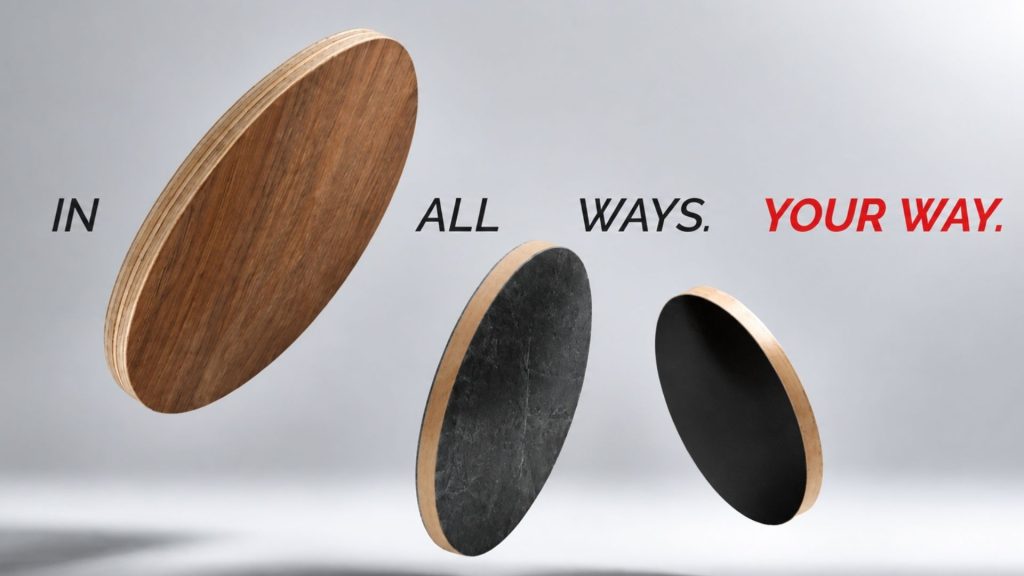
Filippi 1971 sviluppa pannelli rivestiti, pannelli sandwich, superfici decorative e componenti su misura pensati specificamente per le esigenze dei produttori di camper e roulotte. Dalle strutture ai rivestimenti murali e frontali dei mobili, fino ai componenti su misura, ogni soluzione è concepita per garantire un equilibrio ottimale tra peso, design e funzionalità, senza trascurare il comfort acustico.
Cosa offre concretamente Filippi 1971 nel settore dei camper e delle roulotte
Filippi 1971 copre questo settore con diverse tipologie di pannelli, progettate per rispondere alle esigenze specifiche dell’industria dei veicoli ricreazionali.
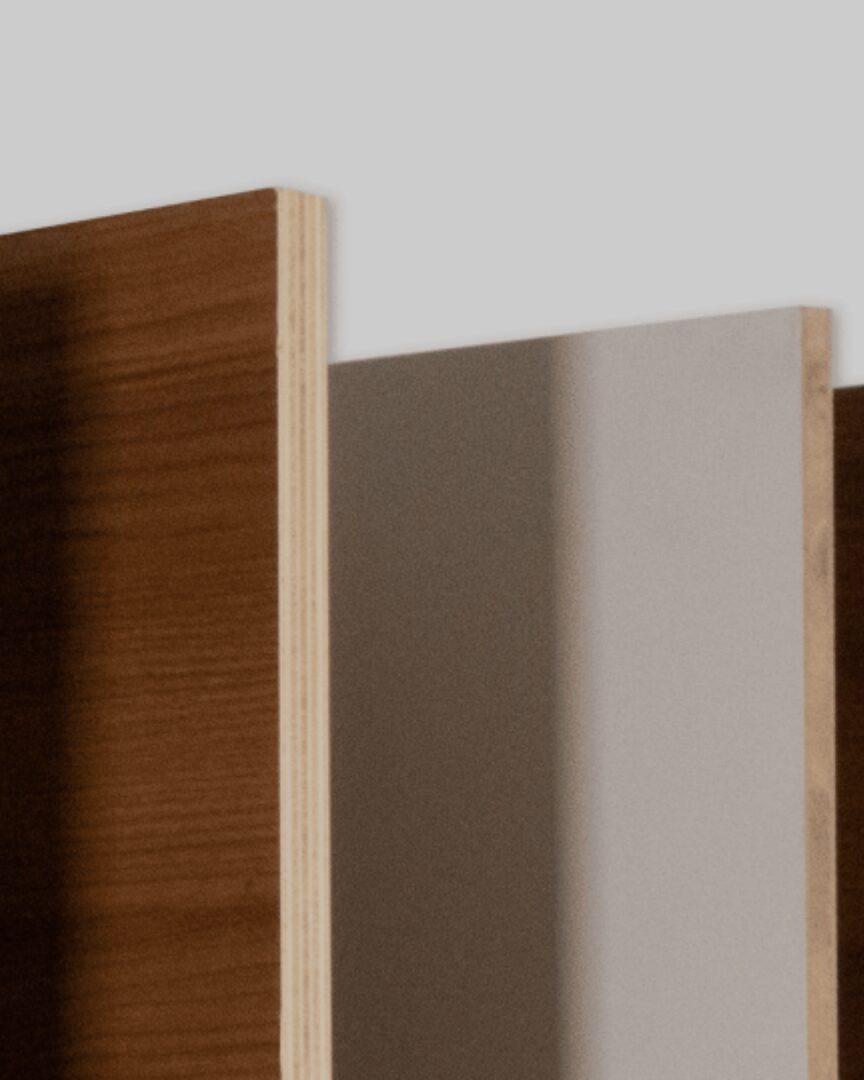
Tra questi, i pannelli in compensato di pioppo e altri multistrati, sono apprezzati per leggerezza, resistenza e lavorabilità, e trovano impiego in strutture, pareti, soffitti e pavimenti; i pannelli sandwich con anime tecniche (XPS, EPS, PET) sono invece pensati per alleggerire ulteriormente le strutture senza comprometterne rigidità e prestazioni.
Grazie alla loro struttura multistrato, questi pannelli migliorano l’isolamento termico e il comfort acustico dell’abitacolo, riducendo la trasmissione dei rumori e limitando le dispersioni termiche.
Completano la gamma i pannelli con basi legnose e rivestimento melaminico, adatti a superfici personalizzabili e stampabili in digitale, oltre ai laminati HPL e ai materiali stratificati, resistenti a urti e graffi.
Anche la struttura dei pavimenti gioca un ruolo nel comfort acustico: uno strato intermedio isolante nei pavimenti compositi migliora sia il comfort termico che quello acustico.
Come si vede, il comfort acustico nei camper e nelle roulotte non deriva da un singolo «pannello acustico», ma dall’interazione ben studiata tra struttura leggera, composizione dei materiali e qualità di lavorazione.