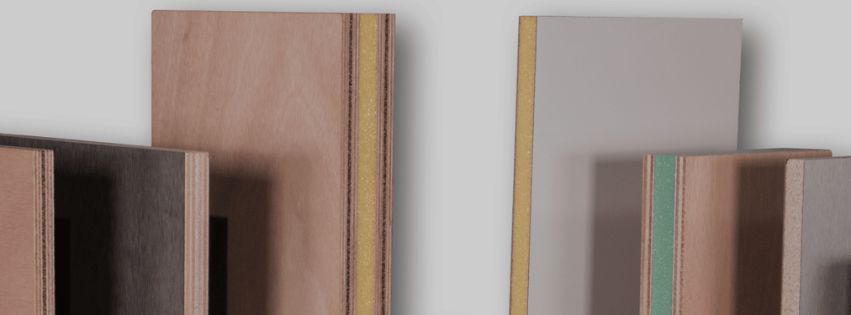
Today, the recreational vehicle industry demands extremely high-quality standards. The design of modern vehicles is based on a perfect balance between mechanical strength and weight reduction. In this context, structural sandwich panels represent the premium solution for the construction of shells and furnishings. Filippi 1971, a leader especially in industrial wood processing and technical panels, with a strong focus on customized and high-tech products, offers cutting-edge technologies for the caravanning industry. If you want to improve the quality of your projects with tailor-made solutions, contact our experts for a technical consultation.
What Are Structural Sandwich Panels for the RV Sector?
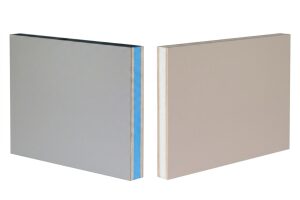
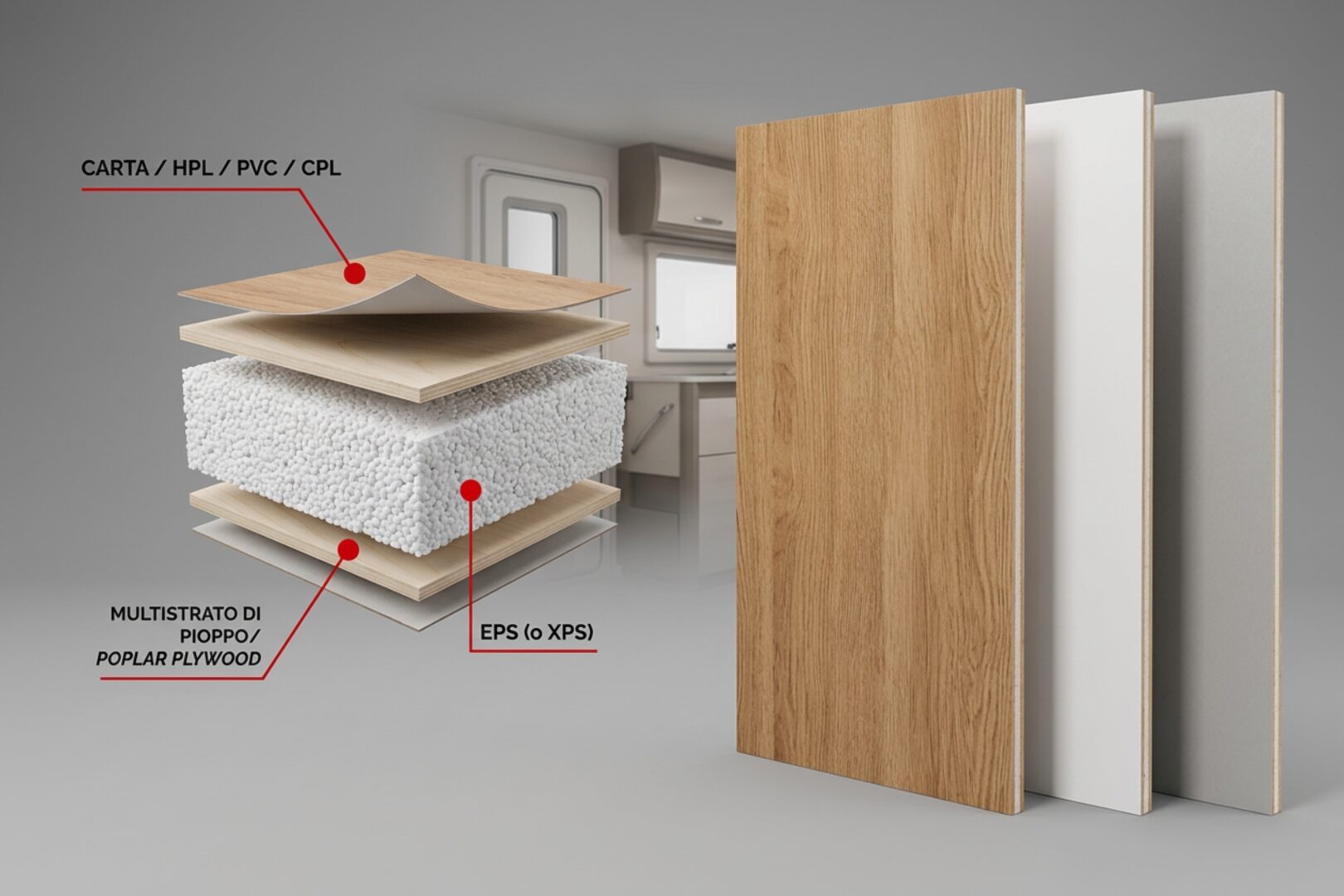
A sandwich panel is a composite element made up of three main layers. Two outer layers, called skins or facings, enclose a lighter central core. This configuration makes it possible to achieve extremely high flexural rigidity with significantly reduced weight compared to a solid panel.
In the RV (Recreational Vehicles) sector, the use of these technologies is essential. Every kilogram saved on the structure translates into greater payload capacity and lower fuel consumption for the end user.
Composition and Materials: From Wood to Advanced Composites
The choice of materials for the skins and the core determines the final performance of the product. Filippi 1971 carefully selects raw materials to guarantee durability and insulation.
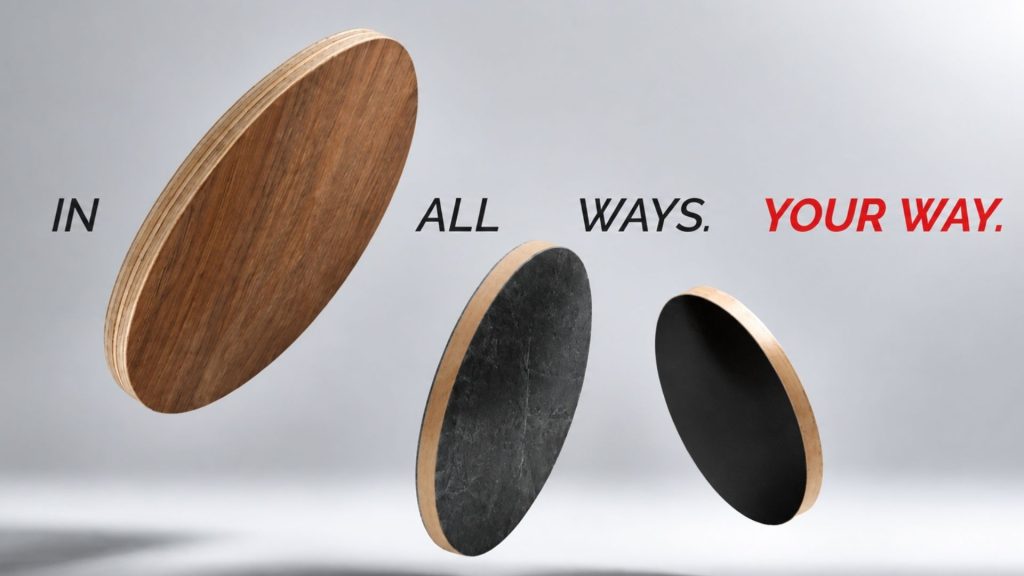
- Outer skins: can be made of poplar plywood, plastic laminates (HPL), aluminum, or fiberglass.
- Central core: usually composed of insulating foams such as extruded polystyrene (XPS), expanded PVC, or polypropylene honeycomb.
The integration of these elements through advanced structural bonding ensures that lightweight composite panels maintain their shape and mechanical properties over time, resisting the stresses typical of road travel.
The Advantage of the “Sandwich” Structure in Caravanning
Why has this technology become the industry standard? The answer lies in the weight-to-performance ratio. A well-designed structural panel acts as both thermal and acoustic insulation, protecting the living area from external temperatures and noise. In addition, the ability to absorb impacts and distribute loads makes vehicles safer.
Why Choose Filippi 1971 Solutions for Campers and Caravans
Relying on an experienced partner means gaining access to complete customization. Filippi 1971 does not simply supply materials, but develops dedicated engineering solutions. Our deep knowledge of the caravanning sector allows us to anticipate market trends.
Technological Innovation and Exclusive Materials
One of the highlights of our production is our technology. This system makes it possible to enhance honeycomb or expanded materials with premium aesthetic surfaces without compromising lightness. Thanks to precise lamination processes, our products are used not only for exterior walls, but also for interior furnishing elements.
Sustainability is another fundamental pillar. We use wood sourced from responsibly managed forests, integrating low environmental impact production processes. Discover more about our philosophy in the section dedicated to sustainability and innovation in materials.
Technical Features: Strength, Insulation, and Weight Reduction
The performance of a recreational vehicle directly depends on the quality of its structural components. Our panels are tested to meet strict safety and comfort standards.
- Thermal insulation: The panel core prevents heat dispersion, maintaining a comfortable climate inside the camper in every season.
- Structural rigidity: Despite their low weight, torsional resistance is comparable to that of much heavier materials.
- Moisture resistance: A critical factor for caravan longevity, the use of waterproof adhesives and skins prevents infiltration and rot.
According to current European vehicle safety regulations, weight reduction is encouraged to ensure that vehicles remain within the total mass limits allowed under a standard Category B driving license.
Applications: Not Only Walls, but Also Floors and Technical Furnishings
The use of structural sandwich panels extends far beyond the vehicle’s external shell. The versatility of Filippi 1971 allows these solutions to be employed in several areas:
- Flooring: Reinforced panels capable of withstanding continuous foot traffic without deformation.
- Partition walls: To separate interior spaces while maintaining vehicle agility.
- Furniture and overhead cabinets: Modern camper furnishings must be lightweight yet extremely solid to withstand vibrations.
Our company collaborates with leading global manufacturers to provide ready-to-assemble kits, optimizing assembly times on production lines.
Conclusions: The Future of Recreational Vehicle Construction
The market is moving toward increasingly technological and eco-friendly vehicles. The evolution of composite materials will continue to play a central role. Filippi 1971 remains at the forefront, investing in research and development to offer self-supporting solutions that define new standards of comfort and safety.
If you would like to learn more about technical specifications or request samples of our materials, visit the page dedicated to contacts and speak with one of our experts. To stay updated on the latest developments in design and materials, we invite you to read our industry news.
FAQ – Frequently Asked Questions About Sandwich Panels for Campers
In this section, we answer the most common questions regarding the use and characteristics of sandwich systems in the mobile living sector.
What Are Sandwich Panels for Campers and Why Are They Important?
Sandwich panels for campers are structural components made up of two rigid outer layers and an insulating inner core. They are essential because they provide the vehicle with the necessary structural rigidity without adding excessive weight. Thanks to this technology, manufacturers can build walls, roofs, and floors that offer excellent thermal insulation, essential for living comfort in both summer and winter.
What Are the Advantages of EPS Sandwich Panels?
EPS sandwich panels offer extreme lightness, reducing the overall weight of the camper and improving fuel efficiency and performance. They provide excellent thermal insulation, maintaining interior comfort in every season. The sandwich structure ensures good rigidity and strength without adding unnecessary weight. They are also versatile and customizable in thickness and configurations. Finally, they represent a solution with an excellent quality-to-price ratio, ideal for industrial production.
What Is the Difference Between Self-Supporting Sandwich Panels and Traditional Ones?
Self-supporting sandwich panels are designed to support their own loads and additional loads without requiring an excessively heavy support frame. In the camper sector, this means being able to design wider and more modular interiors. Their ability to resist bending and compression makes them ideal for technical flooring and structural partition walls, optimizing space and simplifying assembly phases on production lines.
Why Are Insulated Sandwich Panels Important in Caravanning?
The term insulated refers to the panel’s ability to act as a barrier against heat transfer and noise. Filippi 1971 insulated sandwich panels use closed-cell expanded core materials that prevent the passage of water vapor. This prevents the formation of interstitial condensation inside the walls, preserving the integrity of the vehicle and ensuring a healthy and quiet environment for passengers.
What Are the Characteristics of XPS Sandwich Panels?
Extruded polystyrene, or XPS, is one of the most appreciated materials for insulating cores. XPS sandwich panels stand out for their extremely high compressive strength and near-total water impermeability. Unlike open-cell materials, XPS does not absorb moisture over time, maintaining its insulating properties and original lightness throughout the entire service life of the camper.